Tuscan architecture and interiors exude timeless elegance. From rustic stone walls to sun-drenched terraces, Tuscan house design transports you straight to the rolling hills of Italy. Whether you’re building a new home, remodeling, or just looking for inspiration, the charm of Tuscany can be incorporated anywhere with the right approach.
In this guide, we’ll explore 40+ Italian-inspired ideas for Tuscan house design, covering architecture, interiors, exteriors, color schemes, furniture, and décor. You’ll also get practical tips to bring the warmth, authenticity, and character of Tuscany into your own home.
Quick Summary: Key Takeaways
-
Tuscan design emphasizes natural materials, earthy tones, and rustic elegance
-
Common features: stone walls, terracotta floors, wooden beams, arches, and wrought iron details
-
Interiors combine comfort with refined, old-world charm
-
Outdoor living is integral, with patios, courtyards, and gardens
-
Italian-inspired décor focuses on texture, craftsmanship, and timeless beauty

I’ve been captivated by Tuscan architecture ever since my first glimpse of those golden-hued villas nestled among rolling vineyards. The natural warmth of Tuscan houses emanates not just from their sun-baked terracotta and rustic stonework, but from their inherent ability to blend indoor comfort with outdoor living—perfect inspiration for anyone seeking to create more connected, harmonious living spaces. These Mediterranean masterpieces demonstrate how authentic materials and thoughtful proportions can transform even the most ordinary rooms into spaces that feel both grounding and uplifting. Through these stunning examples, you’ll discover practical ways to bring Tuscan sensibility into your own home, creating rooms that welcome, nurture, and truly reflect a life well-lived.
Tuscan architecture doesn’t just create houses; it crafts sanctuaries where time slows down and the simple pleasures of life—good food, family, and natural beauty—become the true luxury.
Axel Vervoordt

Timeless Elements of Tuscan House Design
Authentic Tuscan house design draws inspiration from the Italian countryside, where centuries of architectural evolution have created a distinctly warm and inviting aesthetic that feels both luxurious and lived-in. The earthy color palette featuring ochre walls, terracotta tiles, and natural stone elements solves the common challenge of creating spaces that feel both sophisticated and comfortable simultaneously.


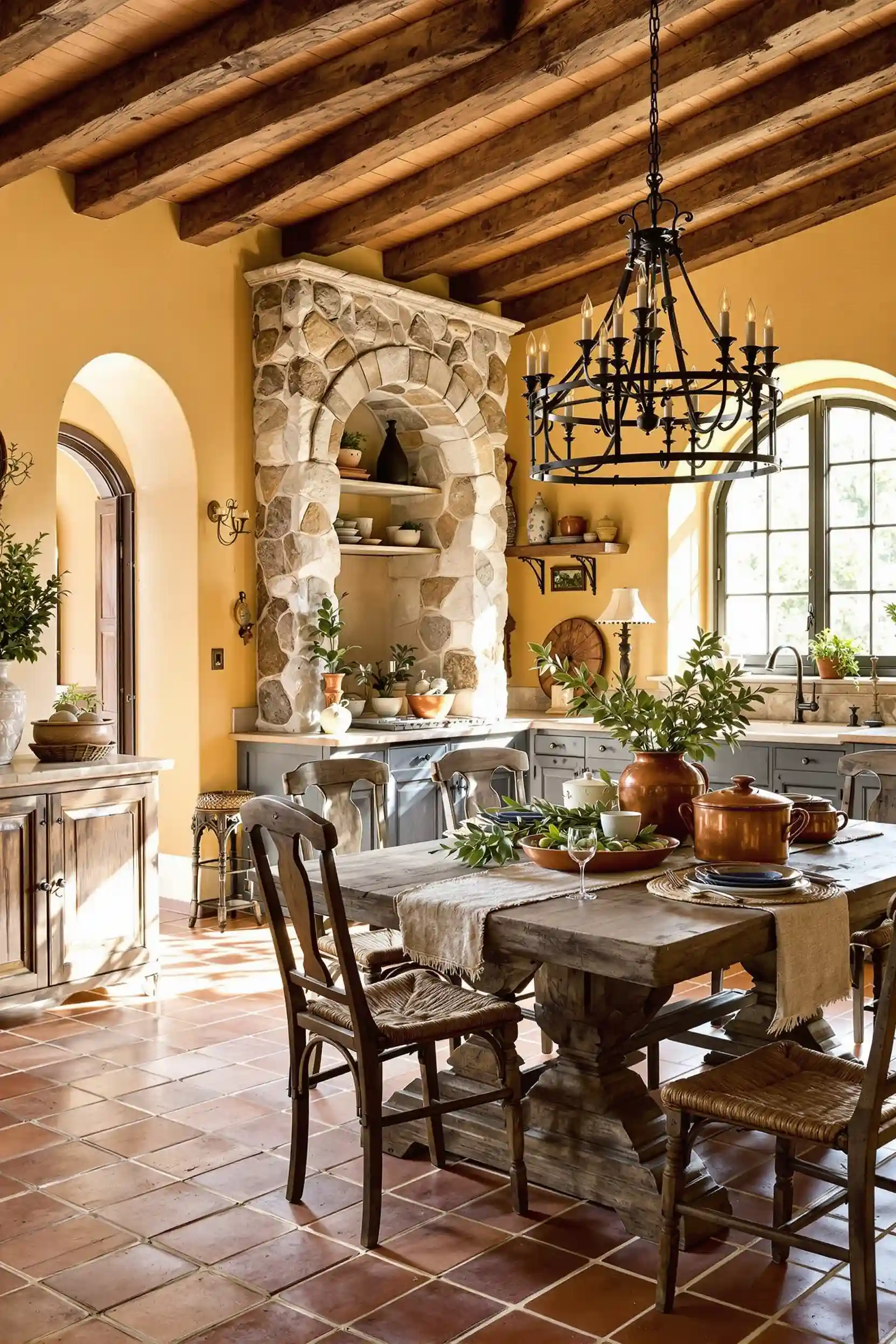
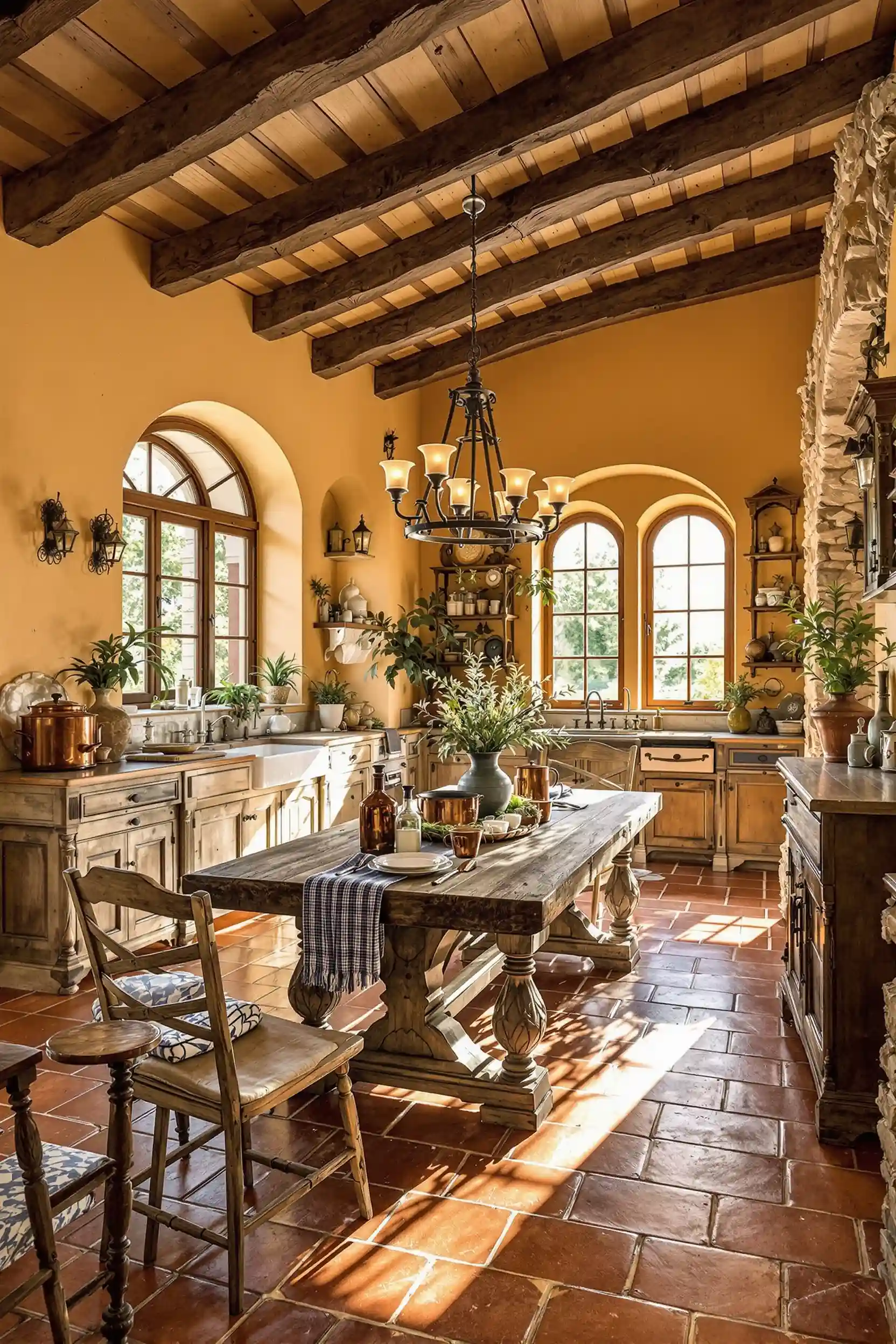
The combination of exposed wooden beams overhead, wrought iron accents, and distressed wood furnishings creates visual depth that works beautifully in both compact dining areas and expansive great rooms, adapting effortlessly to various home layouts. Incorporating these Tuscan elements into your dining space through a farmhouse table paired with vintage copper cookware doesn’t require a complete renovation, just thoughtful selection of key pieces. When you embrace these Mediterranean-influenced design principles, your home transforms into a space that tells a story, inviting conversation and creating an atmosphere where memories naturally unfold.
How to Achieve the Authentic Tuscan House Aesthetic
The staggering difference between average rooms and genuine Tuscan house aesthetic dining spaces often comes down to carefully layered authenticity in the elements. Create depth by selecting warm terracotta wall finishes, installing rustic wooden beams across ceilings, and incorporating weathered stone flooring that tells a centuries-old story of family gatherings. Professional designers recommend searching for actual antique pieces rather than reproductions when selecting your wrought iron chandelier or farmhouse dining table, as these carry natural patina impossible to replicate artificially.


Your dining space will transform from merely Mediterranean-inspired to a truly authentic Tuscan house sanctuary where natural sunlight streams through arched windows, illuminating olive branch centerpieces and rich earth-toned upholstery in ways that transport dinner guests directly to the Italian countryside without a passport.


Which White Tuscan House Exterior Appeals Most
Selecting the perfect white Tuscan house exterior involves balancing aesthetic preferences with practical considerations about your specific environment. The traditional smooth stucco finish offers a timeless Mediterranean appeal while textured limestone exteriors provide more dimensional character and natural variation that beautifully captures changing sunlight throughout the day.


Weather resistant painted finishes require more periodic maintenance yet deliver that pristine bright white that many homeowners desire, whereas natural stone facings develop an authentic patina over decades that many consider worth the premium investment. Your ideal white Tuscan house exterior ultimately depends on your local climate conditions, surrounding landscape, and whether you prefer a more polished contemporary interpretation or an authentically weathered Italian countryside aesthetic.


Tuscan House Exterior Paint Colors Guide
The quintessential Tuscan house exterior paint colors have surged in popularity across American renovations, with earthy terracotta, sun-baked golden ochre, and muted olive greens dominating design magazines this season. Today’s interpretations of these Mediterranean hues offer superior UV protection and fade resistance compared to earlier formulations, ensuring your home maintains its Italian countryside aesthetic for years rather than months. These warm, natural tones brilliantly disguise architectural inconsistencies while creating a cohesive visual statement that connects your property harmoniously with surrounding landscapes.

A recent client’s transformation from stark white to a rich amber ochre with stone-colored trim instantly elevated their ordinary suburban residence into a sophisticated Italian-inspired retreat, complete with complementary wrought iron accents and wooden shutters. For those hesitant to commit to a complete exterior makeover, consider painting just your front door or window shutters in a classic Tuscan burnt sienna or sage green, providing an elegant nod to Mediterranean style without overwhelming your home’s existing character.

Why Modern Tuscan Houses Captivate Designers
Modern Tuscan houses often suffer from poor space utilization, with large, cavernous rooms that look impressive but lack practical functionality for everyday living. The solution lies in creating designated zones within open floor plans, maintaining the architectural integrity of stone facades and rustic wooden beams while maximizing every square foot for modern lifestyles. Consider floating furniture arrangements that create natural pathways through the space, or install custom built-ins that blend seamlessly with the warm terracotta tones and Mediterranean-inspired aesthetics of your Tuscan house.


Natural travertine flooring proves remarkably versatile in these designs, transitioning beautifully from indoor spaces to outdoor courtyards where bubbling stone fountains create tranquil ambiance. By thoughtfully organizing your Tuscan house with these strategic solutions, you’ll enjoy the romantic Italian aesthetic while gaining the practical functionality modern families require for comfortable daily living.


Building a Stunning Tuscan Stone House
The typical stone facade choices for homes often lack the authentic character and thermal benefits that genuine Tuscan stone houses naturally provide. Incorporating locally sourced limestone with natural color variations not only creates that distinctive Mediterranean weathered appearance but also dramatically improves your home’s insulation properties, reducing energy costs by up to 30% while creating an unmistakable statement of architectural heritage. The substantial thermal mass of properly installed Tuscan stonework regulates indoor temperatures throughout seasonal extremes, transforming your living experience from merely comfortable to sublimely balanced in both summer heat and winter chill.


Each carefully positioned stone in your Tuscan house facade tells a story of craftsmanship while simultaneously increasing your property’s market value, with real estate experts noting that authentic Mediterranean stonework can boost home valuation by 15-20% compared to conventional exteriors. Perhaps most compelling though is how a true Tuscan stone house connects you to centuries of architectural wisdom, allowing you to create not just a home but a legacy that will weather beautifully across generations just as the original Italian villas have done for hundreds of years.


The Rustic Appeal of Tuscan Farmhouse
The rustic charm of a Tuscan farmhouse kitchen delivers remarkable visual impact with surprisingly modest effort, making it perfect for homeowners seeking authentic Mediterranean style without a complete renovation. Transform your space in a single weekend by first painting walls in warm ochre tones, then adding wrought iron hardware to existing cabinetry, and finally arranging rustic ceramic pottery on open shelving for instant character.


Natural terracotta tiles represent the most versatile investment for any Tuscan house project, working beautifully as flooring, backsplash material, or even decorative accents atop limestone countertops. With just 16-20 hours of focused work, your ordinary kitchen will evolve into a sun-drenched Italian retreat where exposed wooden beams draw the eye upward while golden sunlight streams through arched windows, creating that authentic farmhouse atmosphere that whispers of Tuscan hillsides and leisurely family meals.


Creating Your Dream Tuscan Beach House
The gentle Mediterranean breeze drifting through arched windows of a Tuscan beach house creates an immediate sense of tranquility that urban dwellers often desperately crave in their home sanctuaries. Our emotional well-being flourishes when surrounded by natural elements that remind us of sun-drenched coastlines and weathered beauty that tells stories of generations past.


Incorporating exposed wooden beams alongside hand-painted ceramic pottery brings authentic Tuscan warmth to your dining area, while the rich terracotta floors paired with sandstone walls reflect the golden Italian sunlight in ways that transform ordinary meals into sensory celebrations. The burnished bronze fixtures and azure blue accents borrowed from the Mediterranean palette introduce a daily reminder of coastal serenity, allowing your family to experience the restorative power of Tuscan living without leaving home.


Tuscan Lake House Design Inspirations
Tucked away in the rolling hills of Italy, Tuscan lake houses offer surprising solutions to common design dilemmas through their ingenious use of natural elements. The strategic placement of arched windows framing water views not only creates breathtaking focal points but also solves lighting challenges in deeper rooms while maintaining privacy from neighboring properties.


Rustic stone walls paired with terracotta floors provide exceptional temperature regulation, keeping these lakeside retreats naturally cool during scorching summers without relying heavily on modern climate control systems. A Tuscan lake house in Umbria masterfully demonstrates this principle with its three-foot-thick limestone walls that maintain a comfortable 72 degrees even during July heat waves. Homeowners can recreate this effect on a smaller scale by incorporating thermal mass elements like stone accent walls or terracotta tile flooring in sun-exposed rooms.


Small Tuscan House Layout Secrets
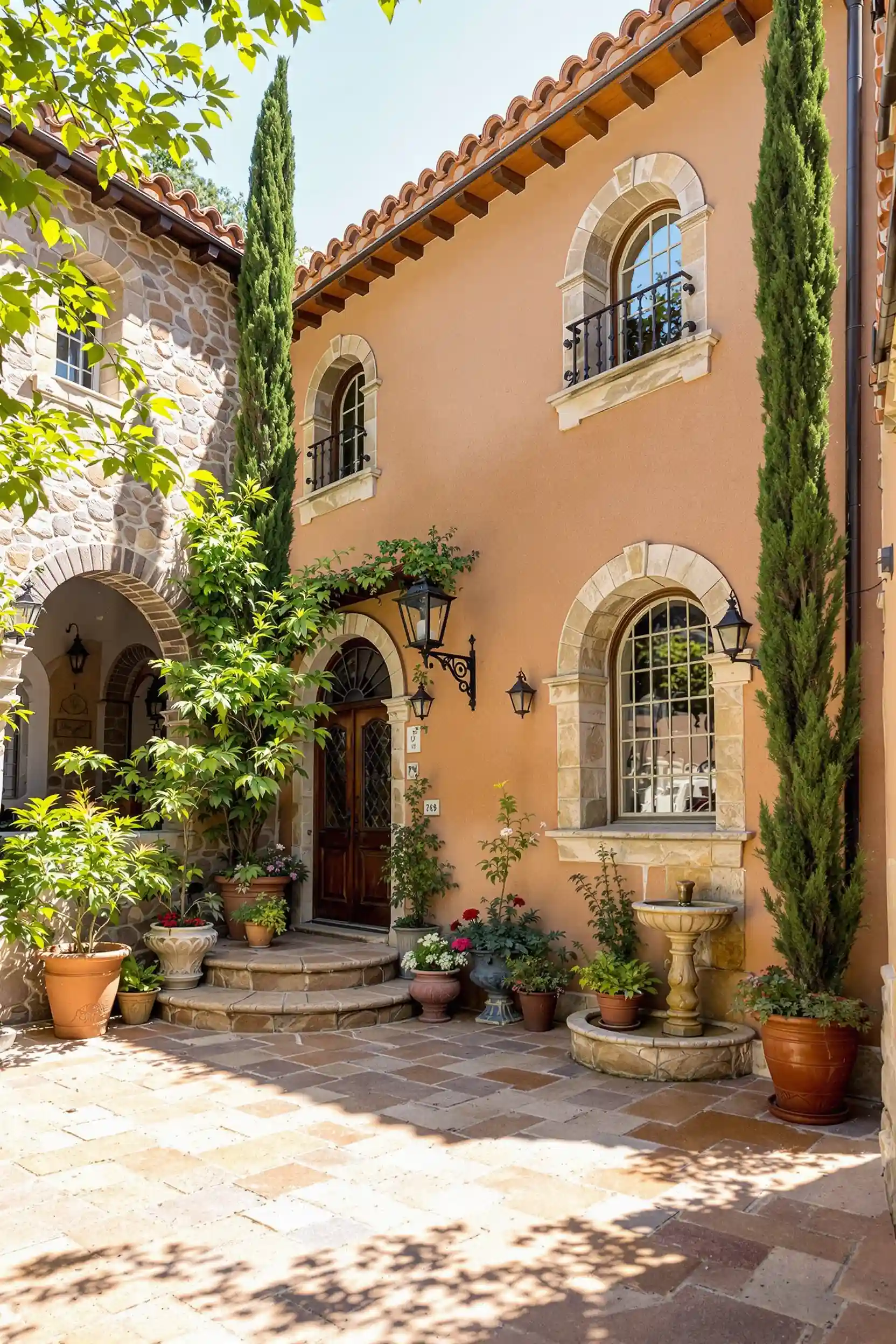
The compact footprint of a small Tuscan house belies its incredible spatial efficiency, with traditional layouts offering valuable lessons for modern homeowners seeking to maximize limited square footage. Strategic placement of arched doorways creates natural flow between living areas while maintaining distinct spaces, a technique Italian architect Paolo Bianchi masterfully employs in contemporary interpretations of these rustic retreats.


Wrought iron fixtures serve both practical and aesthetic functions in Tuscan design, providing sturdy hardware while introducing artisanal touches that transform everyday interactions with doors and windows into sensory experiences. Stone walls thick enough to regulate temperature naturally keep interiors cool during scorching Mediterranean summers without modern air conditioning, a sustainable building practice expected to gain renewed appreciation as energy efficiency becomes paramount in residential design by 2025.

Designing the Perfect Tuscan Pool House
A Tuscan pool house typically draws homeowners toward heavy wrought iron furniture and dark wooden elements that can make the space feel unnecessarily somber despite the Mediterranean inspiration. The combination of overly ornate decorative pieces and cluttered accessories often overwhelms these retreat spaces, detracting from the natural beauty that should be the focal point of your poolside sanctuary. Terra cotta tiles installed without proper sealing can quickly become stained and weathered beyond the intentional patina, creating maintenance headaches rather than rustic charm.

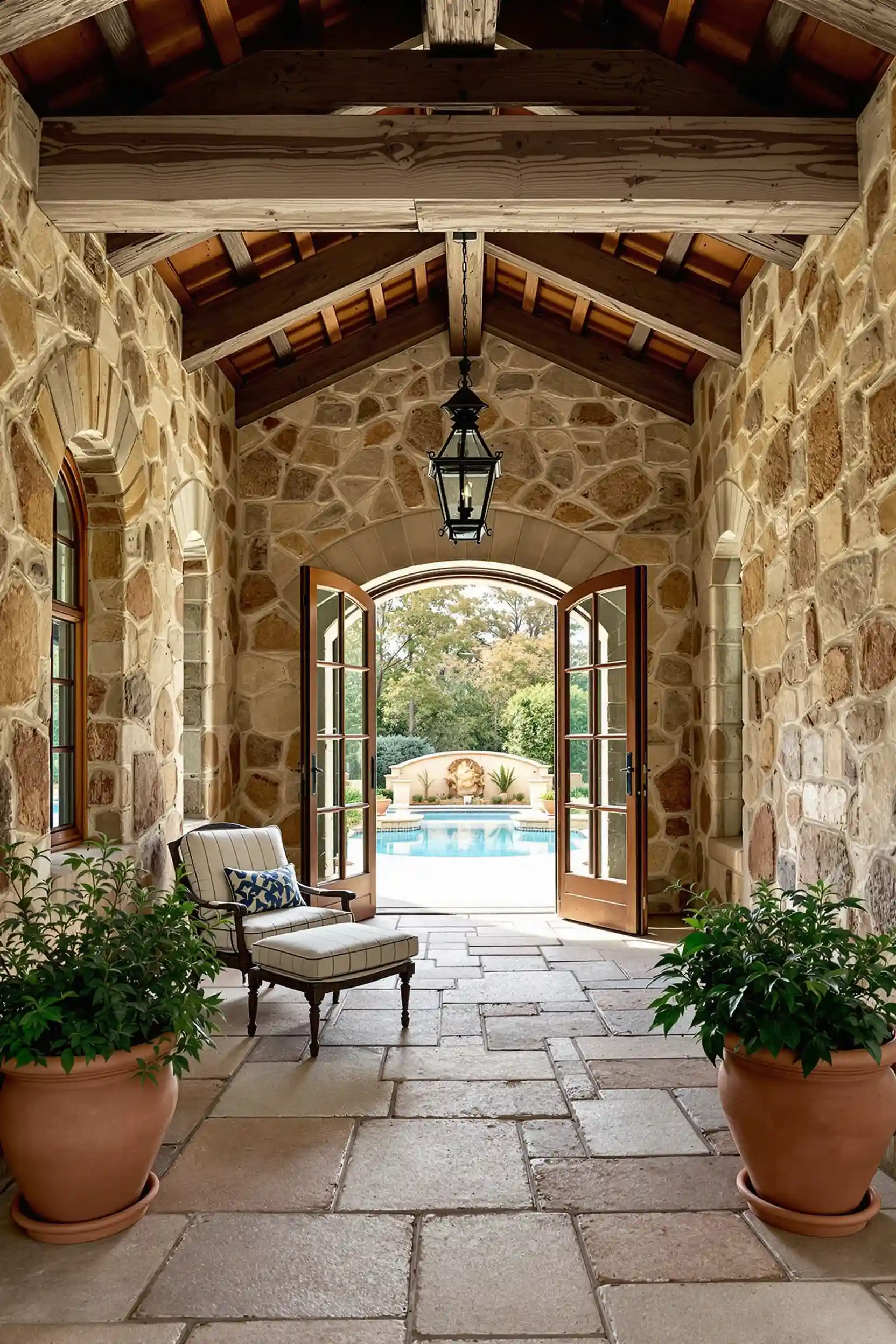
Consider instead balancing authentic Tuscan elements with a lighter, more edited approach—incorporating stone walls and wooden beams while selecting weather-resistant furnishings in neutral tones that complement rather than compete with the surrounding landscape. Your Tuscan pool house will serve as a more functional and genuinely inviting retreat when you prioritize breathable spaces, practical materials, and careful curation over stereotypical Tuscan excess.


Tuscan House Decor That Wows Guests
Tuscan house decor captivates guests immediately with its rich earthy palette and authentic rustic elements that transform living spaces into Mediterranean sanctuaries. The living room particularly benefits from terracotta flooring paired with warm amber walls, creating a sun-drenched atmosphere that mirrors the Italian countryside even when placed in American homes. Position a substantial dark wood credenza against a textured wall for maximum impact, or arrange wrought iron candleholders atop a stone mantel to create a focal point that draws the eye naturally through the space. Natural materials like distressed wood, hammered copper, and unglazed pottery complement the sage green and burnt sienna accents that define authentic Tuscan interiors.


For the most effective implementation, incorporate olive branches in ceramic vessels as centerpieces rather than using generic floral arrangements, allowing these signature Mediterranean elements to tell a cultural story while maintaining the relaxed sophistication that makes Tuscan house design so perpetually appealing.


Conclusion: Bringing Tuscany Into Your Home
Tuscan house design is all about timeless elegance, natural materials, and warm, inviting spaces. By blending rustic charm with functional comfort, you can create a home that feels authentic, relaxed, and luxurious.
Whether it’s a stone fireplace, terracotta floors, or a sunlit courtyard, these 40+ Italian-inspired ideas provide a roadmap to infuse your home with the warmth and beauty of Tuscany.
Frequently Asked Questions (FAQs)
1. What is the key feature of Tuscan house design?
Natural materials, warm earthy colors, rustic elegance, and indoor-outdoor living.
2. Can Tuscan design work in modern homes?
Yes, by blending rustic elements with clean lines and modern comforts.
3. Which colors are best for Tuscan interiors?
Terracotta, ochre, warm beige, olive green, and muted gold tones.
4. Are outdoor spaces necessary in Tuscan homes?
While not mandatory, patios, terraces, and gardens are central to the Tuscan lifestyle.
5. How do I make my home feel authentically Tuscan?
Use natural materials, rustic finishes, warm tones, and classic Italian details like wrought iron and stone.